
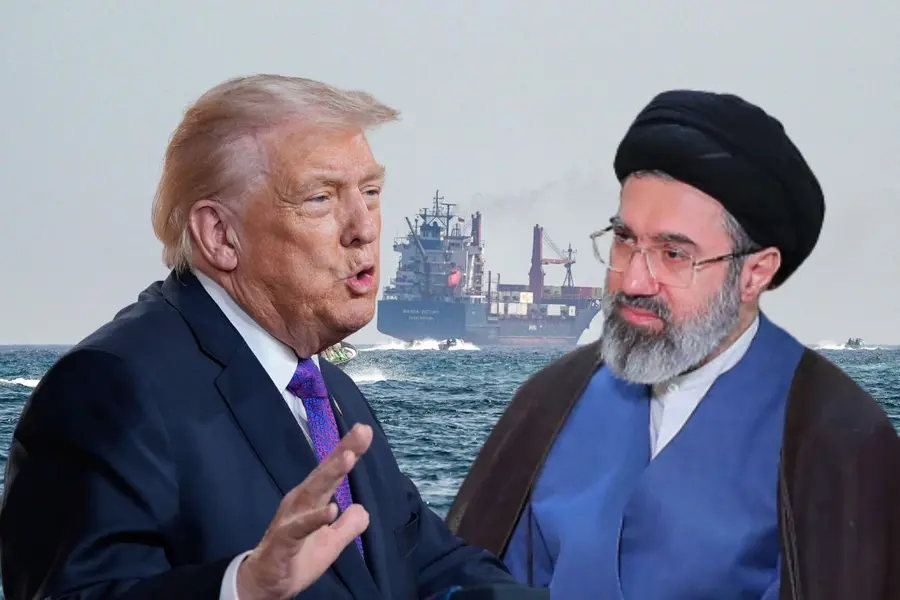
WASHINGTON, Apr 6, 2026 (AP) : A draft proposal for a 45-day ceasefire and the reopening of the Strait of Hormuz has been delivered to both Iran and the United States, raising cautious hopes for de-escalation in the ongoing conflict.
The plan, mediated by Egypt, Pakistan, and Turkey, aims to create a window for negotiations toward a permanent truce.
It was sent late Sunday to Iranian Foreign Minister Abbas Araghchi and U.S.
Mideast envoy Steve Witkoff, though neither side has responded yet, according to two Mideast officials who spoke on condition of anonymity.
The proposal comes amid escalating violence and strong rhetoric from U.S. President Donald Trump, who warned on Sunday that Tuesday will be “Power Plant Day, and Bridge Day” for Iran if the country fails to reopen the Strait of Hormuz by his deadline.
In a profanity-filled social media post, Trump threatened heavy strikes on Iranian critical infrastructure, stating the government would face severe consequences if it does not comply.
On Monday, the death toll continued to rise as Israeli and U.S. strikes hit Iranian targets.
The head of intelligence for Iran’s Revolutionary Guard, Maj. Gen. Majid Khademi, was killed in an attack that Iranian state media blamed on the United States and Israel.
Israel’s Defense Minister Israel Katz claimed responsibility, saying his forces are hunting down terrorist leaders and have already severely damaged Iran’s steel and petrochemical industries.
Airstrikes also struck a residential building near Eslamshahr, southwest of Tehran, killing at least 15 people, while another attack targeted the information and communication technology building at Tehran’s top engineering school, Sharif University of Technology, disrupting online learning and highlighting the impact on civilian infrastructure.
In response, Iran launched missile attacks on Israel, hitting several sites in central areas including Petah Tikva and Tel Aviv, where civilians were injured by shrapnel and fires broke out in residential zones.
In the northern city of Haifa, multiple missiles struck residential areas and a factory, leaving people wounded and others still missing under rubble from previous strikes.
An Iranian drone also damaged a telecommunications building in Fujairah, United Arab Emirates, while shrapnel from an intercepted missile wounded a man in Abu Dhabi.
The war, which began with joint U.S.-Israel strikes on February 28, has already claimed thousands of lives, disrupted global shipping routes, and caused fuel prices to surge worldwide.
Both sides have been accused of hitting civilian targets, drawing warnings of possible war crimes from the United Nations and international law experts.
South Korea’s intelligence agency reported no evidence of North Korea supplying weapons to Iran, while Seoul announced plans to send ships to Saudi Arabia and special envoys to secure alternative oil supplies amid the regional crisis.
Separately, Iran executed a man convicted in connection with January protests, an action criticized by human rights groups over allegations of torture and unfair trials.
Mediators hope the 45-day ceasefire period will allow sufficient time for talks, though Iran continues to demand financial reparations and security guarantees, while the U.S. maintains pressure through Trump’s looming Tuesday deadline.
The situation remains highly volatile as fresh strikes and threats continue across the region.
Publish Date: April 6, 2026







Feedback